
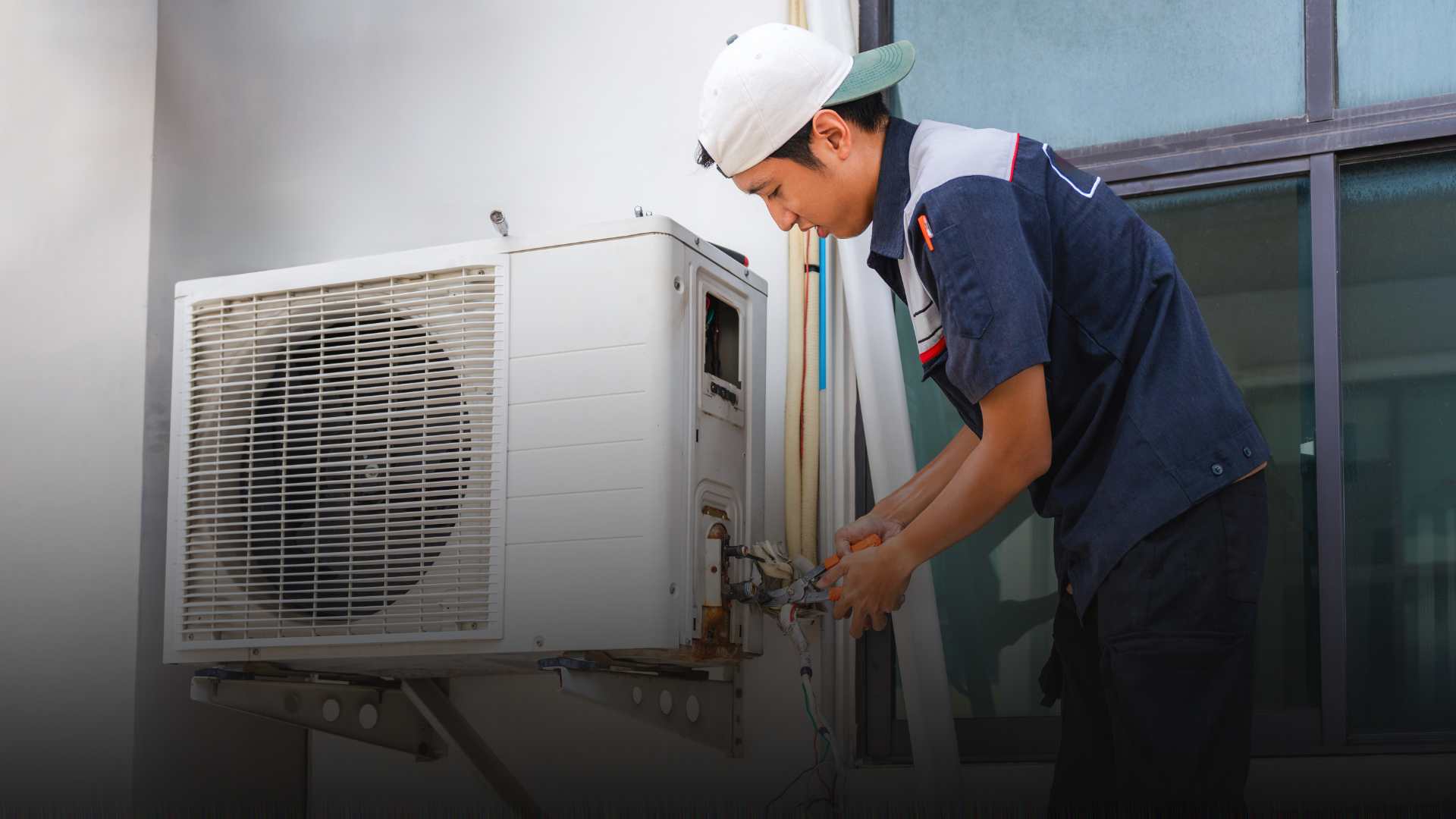
Why Some HVAC System Last 25 Years While Others Fail at 10: HVAC Lifespan Explained
Ask any HVAC contractor how long a system should last, and you’ll hear “15-20 years for AC, 20-25 for furnaces.” But walk through any neighborhood and you’ll find 30-year-old systems still running and 8-year-old systems already replaced. What makes the difference?
The answer isn’t just “good brands” or “luck.” Specific factors, many within your control—determine whether your system reaches old age or fails prematurely.
The Myth of “Average Lifespan”
Industry statistics on equipment lifespan are misleading because they lump together well-maintained systems in ideal conditions with neglected systems in harsh environments. Your system’s actual lifespan depends on factors that matter far more than the brand name on the label.
What Actually Determines HVAC Lifespan
1. Installation Quality: The Foundation That Makes or Breaks Everything
Poor installation is the #1 cause of premature system failure. A perfectly manufactured system installed incorrectly will fail early every time.
Refrigerant charge: The most common installation error. Technicians who “charge by pressure” or “add refrigerant until it feels cold” almost never achieve correct charge. Undercharge makes your compressor run hot and work harder. Overcharge increases head pressure and strains components. Either error cuts lifespan by years.
Proper charging requires calculating precise subcooling or superheat values based on manufacturer specifications, outdoor temperature, and indoor conditions. Many installers skip this step because it takes time and knowledge.
Airflow: Your AC needs exactly 400 CFM per ton of cooling. Your furnace needs specific airflow for its input rating. Too little airflow makes heat exchangers overheat and compressors run hot. Too much airflow reduces efficiency and comfort.
Yet many installers never measure airflow. They connect the ductwork and hope it’s close enough. It often isn’t.
Electrical connections: Loose electrical connections create resistance. Resistance generates heat. Heat breaks down insulation and damages components. This silent killer causes failures years after installation that get blamed on “bad equipment” rather than poor installation.
Condensate drainage: Improper drain slope causes water backup that damages electronics, promotes corrosion, and triggers safety switches. A simple installation detail that affects long-term reliability.
2. The Maintenance Reality Nobody Wants to Hear
Annual maintenance is standard advice, but here’s the truth: maintenance prevents most breakdowns, not all. More importantly, the quality of maintenance matters more than frequency.
What good maintenance actually does:
- Catches refrigerant leaks before charge drops significantly
- Identifies failing capacitors before they damage compressors
- Cleans coils before restriction reduces efficiency
- Spots electrical issues before components fail
- Detects heat exchanger problems before they become dangerous
What bad maintenance misses:
- Checking pressures without calculating proper charge
- Visual inspection without testing components
- Cleaning accessible parts while missing critical areas
- Following a checklist without understanding what’s actually wrong
A system with poor-quality annual maintenance often fails just as early as a neglected system—because the problems were never actually caught and corrected.
3. Operating Conditions: The Environment Your System Lives In
Two identical systems installed the same day by the same technician can have radically different lifespans based on their operating environment.
Coastal or industrial areas: Salt air and industrial pollutants corrode coils and electrical components. Systems in these environments need specialized coil coatings and more frequent maintenance.
High-dust environments: Homes near unpaved roads, farms, or construction sites expose systems to excessive dust that clogs coils and damages moving parts faster.
Shaded vs. sun-exposed outdoor units: AC condensers in full sun work harder and age faster than shaded units. A 10-15°F difference in ambient temperature around the condenser affects both efficiency and component life.
Ventilation around outdoor units: Units in tight spaces, corners, or surrounded by shrubs can’t breathe properly. They run hotter and fail sooner.
Indoor air quality: Homes with poor filtration or dusty environments make systems work harder and fail faster. Pet hair, smoke, and construction dust accelerate wear.
4. System Sizing: The Slow Killer
Oversized systems cycle on and off frequently—sometimes every 5-10 minutes. Each start-up cycle stresses components more than hours of steady running. An oversized AC that runs 3,000 cycles per year experiences far more stress than a properly sized unit running 1,000 cycles.
These excessive cycles cause:
- Compressor wear from frequent starts
- Electrical component stress from starting amperage spikes
- Control board failures from constant switching
- Reduced component lifespan across the entire system
An oversized system might provide adequate comfort while dying years early—and the homeowner never knows the real problem.
5. Technology Generation Matters (But Not How You Think)
Newer isn’t always better for longevity. Modern high-efficiency systems use advanced technology that can be less durable than older, simpler designs.
Variable-speed and modulating equipment: These systems last longer when properly installed and maintained because they run more steadily with fewer cycles. But they have more components that can fail and require more sophisticated maintenance.
Single-stage systems: Simpler technology is often more durable but less efficient. These systems tolerate poor maintenance better but cost more to operate.
The trade-off: High-efficiency equipment lasts just as long as standard equipment when properly maintained, but fails faster when neglected because there’s more that can go wrong.
6. Usage Patterns: How You Use It Matters
Extreme setback/setup: Changing your thermostat by more than 5-8 degrees makes your system run extended cycles trying to catch up. This is harder on equipment than maintaining steady temperatures.
Constant fan mode: Running your blower continuously increases motor wear. Blower motors are typically rated for specific duty cycles (like 50% on/50% off). Continuous operation shortens lifespan.
Blocking airflow: Closing vents in unused rooms, blocking returns with furniture, or running with dirty filters forces your system to work against restrictions that cause premature failure.
The Brands That Actually Last (And Why)
Brand matters, but not as much as installation and maintenance. Every major manufacturer produces equipment that can last 20+ years under good conditions and fail in 10 years under poor conditions.
Commercial-grade components in residential units: Some brands use components rated for commercial duty cycles. These last longer but cost more upfront.
Serviceable vs. sealed components: Systems with replaceable parts (like modular control boards) last longer because individual components can be replaced rather than scrapping the entire system.
Parts availability: Brands that maintain parts inventory for older models allow repairs that keep systems running. Brands that discontinue parts force early replacement.
The Real Secret to Maximum Lifespan
The systems that reach 25-30 years share these characteristics:
- Professional installation with measured airflow, calculated refrigerant charge, and tight electrical connections
- Quality maintenance by technicians who test rather than just inspect
- Good operating environment with proper ventilation and protection from elements
- Proper sizing that prevents excessive cycling
- Owners who understand that preventive care costs less than reactive repairs
What You Can Control
Choose quality installation over low price: The $500 you save on installation costs you $3,000+ in early replacement.
Find technicians who measure: Ask if they measure airflow and calculate refrigerant charge. Most don’t. Find the ones who do.
Provide good operating conditions: Shade your outdoor unit. Change filters monthly. Keep outdoor units clear of debris.
Address problems early: Strange noises, weak airflow, or high bills indicate problems that will worsen. Early fixes prevent cascade failures.
Don’t oversize: When replacing equipment, insist on a load calculation (Manual J). Reject recommendations based on “house square footage” or “just replace with the same size.”
The Bottom Line
Your HVAC system’s lifespan isn’t predetermined by the brand on the label. Installation quality, maintenance quality, operating conditions, and usage patterns matter far more. Take control of these factors, and your system can reach or exceed expected lifespan. Ignore them, and even premium equipment will fail early.
Want to maximize your HVAC system’s lifespan? Call AA Heating and Cooling at (219) 258-7313 for professional installation, quality maintenance, and honest service
Hi, this is a comment.
To get started with moderating, editing, and deleting comments, please visit the Comments screen in the dashboard.
Commenter avatars come from Gravatar.